
Root Canal Treatment – Buda, TX
How We Make Dental Pain Disappear
Despite significant advancements in dentistry and technology in general, root canals continue to be one of the most feared procedures. If that’s the case for you, then you may find it helpful to learn more about it, including what to expect in the treatment chair. Fortunately, our Buda dental team is just a phone call away! Plus, you can read on to learn more about this emergency dental treatment in the meantime.
Why Choose Buda Dental Professionals for Root Canal Treatment?
- IV Sedation Available In-Office
- Personalized Relationships with Each Patient
- Detailed, Comprehensive Treatment Plans
Do You Need Root Canal Treatment?
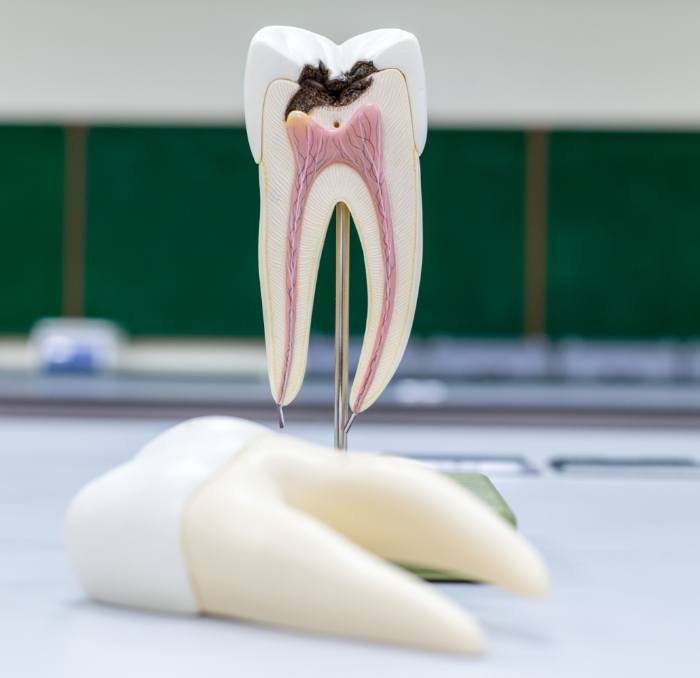
When the pulp of the tooth has become infected, patients typically experience abnormal symptoms, like:
- A dull, consistent throbbing
- Dark discoloration on the enamel
- A sharp, stabbing pain when biting down
- Persistent dental sensitivity
- Red, inflamed, or swollen gums
If these or any other warning signs of trouble arise, don’t wait – schedule an appointment with one of our dedicated emergency dentists in Buda right away. The sooner you do, the sooner they can remove the compromised tissue, cleanse the area, and seal the remaining structure with a custom restoration.
The Root Canal Process
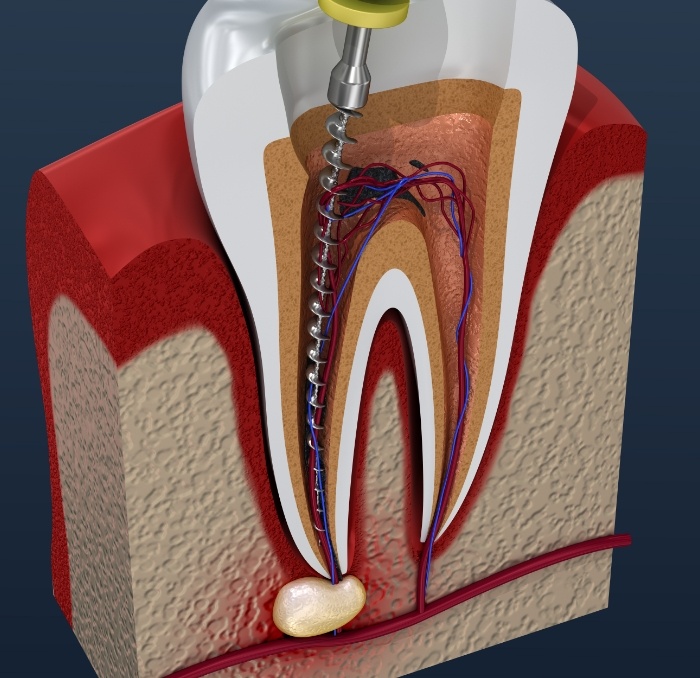
The first step is to numb your mouth thoroughly. Once you’re ready to begin, we will isolate the tooth with a rubber dam (this will help minimize the reintroduction of bacteria into the tooth). Then, we will make an opening in the top of the tooth directly into the pulp chamber. From here, we remove the nerve or pulp, and the root canals are accessed. Each root canal is cleaned with special files that remove infected tissue and debris. Once the root canals are clean and dry, we seal them with a material called gutta percha and place a custom restoration over the tooth.
The Benefits of Getting a Root Canal
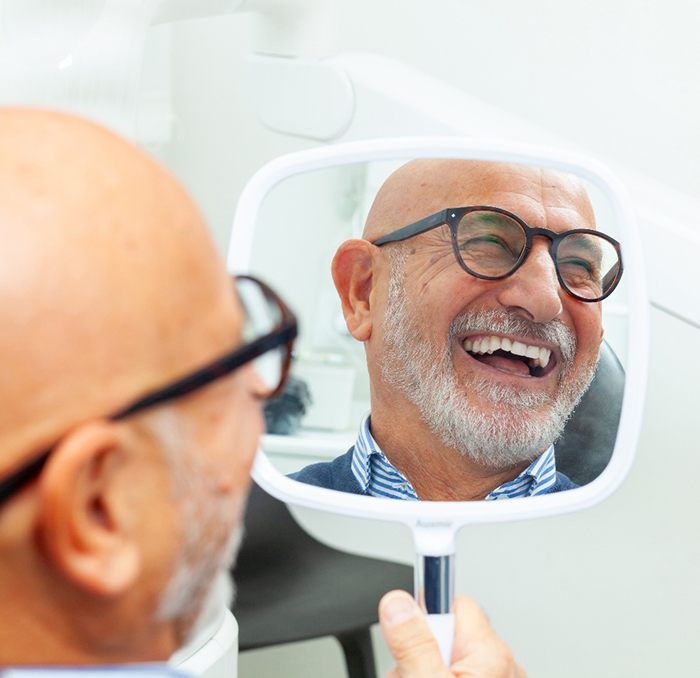
As we mentioned in the first section, root canals often make patients feel nervous, anxious, or stressed. However, it’s actually good news because:
- The procedure is virtually painless – Remember, the first step of the procedure is always to numb your mouth thoroughly. That way, you don’t feel any discomfort while we work on restoring the health, strength, and appearance of your tooth.
- Nerves, stress, and anxiety can be alleviated with dental sedation – Some patients need a little extra help staying calm in the treatment chair. Fortunately, we offer several forms of dental sedation, including nitrous oxide (which is commonly referred to as “laughing gas”).
- The results are lifelike – Thanks to metal-free restorations, you won’t have to worry about unwanted attention being drawn to your smile. We will custom-make yours to ensure that it looks as natural as it feels.
Root Canal FAQs
Can Root Canals Be Prevented?
Many common dental problems, including cavities and infections, are largely preventable. The best place to start is by prioritizing healthy habits, like brushing your teeth twice a day, wearing a nightguard if you grind your teeth, and scheduling a dental exam every six months. Then, focus on breaking harmful habits, including biting your nails, chewing on ice cubes, and using your teeth as tools to open things.
Why Do I Need a Root Canal If My Tooth Doesn’t Hurt?
Oftentimes, patients assume that they only need a root canal if they are struggling with an excruciating toothache in Buda. In reality, that’s just one warning sign of trouble. Dark discoloration on the enamel, inflamed gums, and persistent bad breath could also stem from significant decay or an infection!
Do Root Canals Hurt?
Although root canals have a somewhat scary reputation, they are actually virtually painless thanks to effective numbing agents and cutting-edge techniques. If you’re still struggling with nerves, stress, and anxiety surrounding your upcoming visit, then you shouldn’t hesitate to ask our team about sedation dentistry. With calming solutions like nitrous oxide, we can ensure you have the comfortable, positive experience you desire while caring for your smile.