
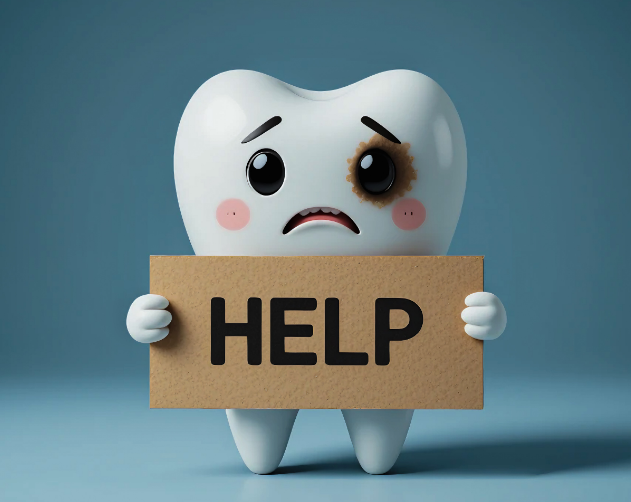
Cavities are one of the most common dental problems, but they aren’t always easy to spot. While you may notice a cavity on the surface of your tooth, cavities that form between teeth can go undetected for a long time. Because these spaces are harder to clean, they’re more vulnerable to decay—and if left untreated, they can cause significant damage.
Here’s how to recognize the signs of a cavity between your teeth and what you can do to prevent them.
Why Cavities Form Between Teeth
Cavities develop when plaque—a sticky film of bacteria—builds up on the tooth surface. If plaque isn’t removed through brushing and flossing, it produces acids that erode enamel and create holes in your teeth. The tight spaces between teeth are especially at risk because food particles and bacteria can easily become trapped there. Without consistent flossing and regular dental checkups, these cavities can progress unnoticed until they cause pain or sensitivity.
Common Signs of a Cavity Between Teeth
Unlike cavities on the chewing surface, which may be more visible, interproximal cavities (the kind that form between teeth) are often hidden. Here are some signs that you might have one:
- Sensitivity to hot, cold, or sweet foods
- Pain when biting down or chewing
- A dull ache that lingers in a specific area
- Noticeable holes, dark spots, or staining (though these are harder to see without X-rays)
In many cases, cavities between teeth don’t show obvious symptoms until they’ve progressed significantly. That’s why routine dental exams are so important—dentists can use X-rays to catch these hidden cavities early before they cause bigger problems.
Preventing Cavities Between Teeth
The best way to protect your teeth from decay is through daily oral hygiene and preventive care. Flossing at least once a day is crucial, as it removes plaque and debris that your toothbrush can’t reach. Brushing twice a day with fluoride toothpaste and limiting sugary snacks and drinks also helps keep bacteria in check.
Regular dental cleanings and checkups are equally important. During these visits, your dentist can spot early signs of decay and recommend treatments to stop it from spreading. If a cavity is detected, prompt treatment with a filling can restore the tooth and prevent further damage.
Don’t Ignore the Signs
Even if you’re unsure whether you have a cavity, it’s always better to have any symptoms checked out as soon as possible. Early detection is the key to avoiding pain, infections, and more complex treatments down the road.
Taking proactive steps now will help keep your teeth healthy and strong for years to come.
About the Practice
Dr. Strickland and Dr. Carlyon of Buda Dental Professionals leave no cavity unchecked! Our patients receive high-quality care in a welcoming environment focused on long-term oral health. We provide a full range of services, from preventive care to restorative dentistry, using the latest technology to ensure comfortable and effective treatments. Whether you need a routine checkup or cavity treatment, our team is dedicated to helping every patient maintain a healthy, confident smile.
Call us at (512) 295-5555 or request an appointment online.